Brand Collaboration: Viral Examples and How to Pitch
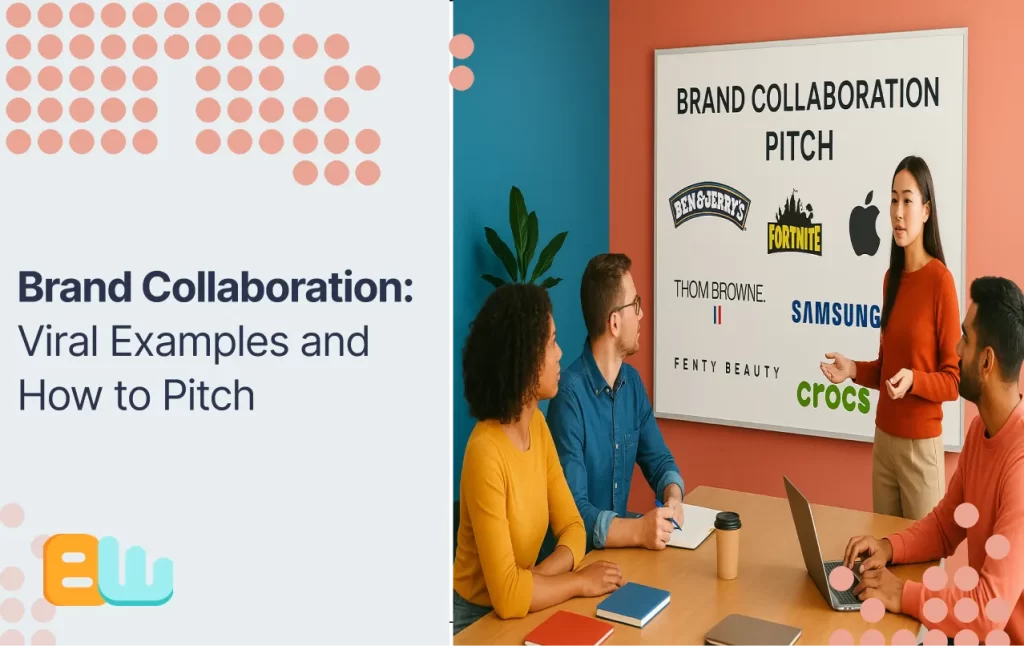
Brand collaborations are the ultimate cross over in the marketing world and people are loving it more than ever.
Social media has made it easier than ever for brands to connect together and with their respective customers, this simple marketing tactic now is a viral creative marketing sensation.
Brand collaborations offer several key benefits:
- They increase your reach
- You get cross-audience exposure
- Enhances credibility
- Creates fresh content or product
- Strengthens brand identity
In this article, you’ll learn everything about brand collaborations. We’ll explore what makes them successful. We’ll touch on some viral examples from different industries and most importantly, you’ll discover how to create pitches that win partnerships.
The Anatomy of Successful Brand Collaborations
What is a Brand Collaboration?
Brand collaborations are a strategic partnership between two or more brands where they work together to achieve a shared goal. The mutual benefit in brand collaboration is the main difference between regular marketing collaborations and brand only collaborations.
Collaborations fit into your overall marketing strategy as growth accelerators. They open up new opportunities.
The 5 Ps of Collaboration
Successful collaborations follow five key principles:
- Purpose: What do you want to achieve? More sales? Brand awareness? New product development? Clear goals guide every decision.
- People involves finding the right partners. You need brands that share your values but bring different strengths. The perfect partner complements your weaknesses.
- Process establishes how you’ll work together. Who does what? When are deadlines? How do you make decisions? Good processes prevent conflicts.
- Platform is about choosing the right channels. Will you collaborate on social media? In stores? At events? The platform should match your audience’s preferences.
- Performance tracks your success. You need metrics that show if the collaboration worked. This data helps you improve future partnerships.
Types of Brand Collaborations
Brand collaborations come in many forms. Each type serves different purposes and audiences.
- Product collaborations
- Marketing partnerships where brands share marketing costs and promote each other
- Celebrity and influencer collaborations
- Limited edition collections
- Content collaborations
- Cause-related marketing partnerships align brands with social causes. This type of collaboration can strengthen brand values while making a positive impact.
- Unexpected brand pairings often generate the most attention. When two very different brands collaborate, people notice and talk about it.
Key Elements of Successful Collaborations
Several factors result in a successful brand collaboration:
- Sharing brand values
- Having a mutually beneficial collaboration
- Setting clear objectives and KPIs (Key Performance Indicators)
- Offering contemporary audience demographics
- Showcasing a creative innovation
- Having strategic timing
- Offering exclusivity and scarcity
Case Studies: Viral Brand Collaboration Examples by Industry
Fashion and Luxury Collaborations
The fashion industry has created some of the most talked-about collaborations in recent years.
Louis Vuitton x Supreme:
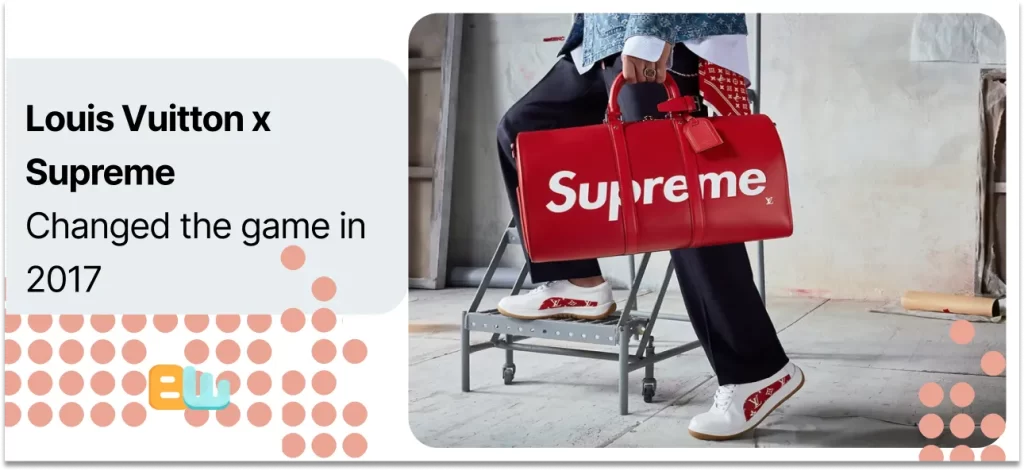
The contrast between a high end french luxury brand with a streetwear New York brand made everyone interested.
Nike x Off-White:
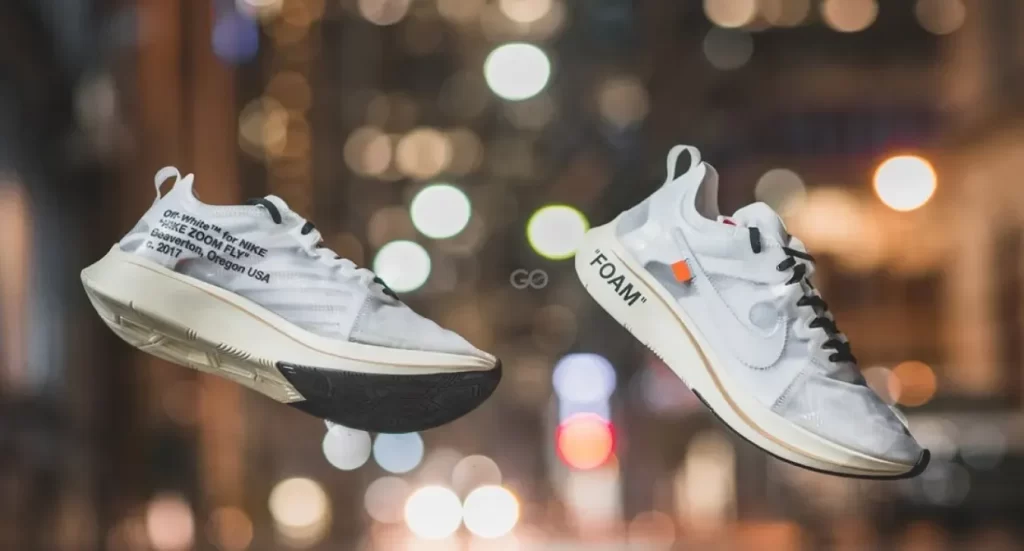
Virgil Abloh deconstructed designs on classic Nike silhouettes to make some of the most sought after shows ever.
Uniqlo x KAWS:
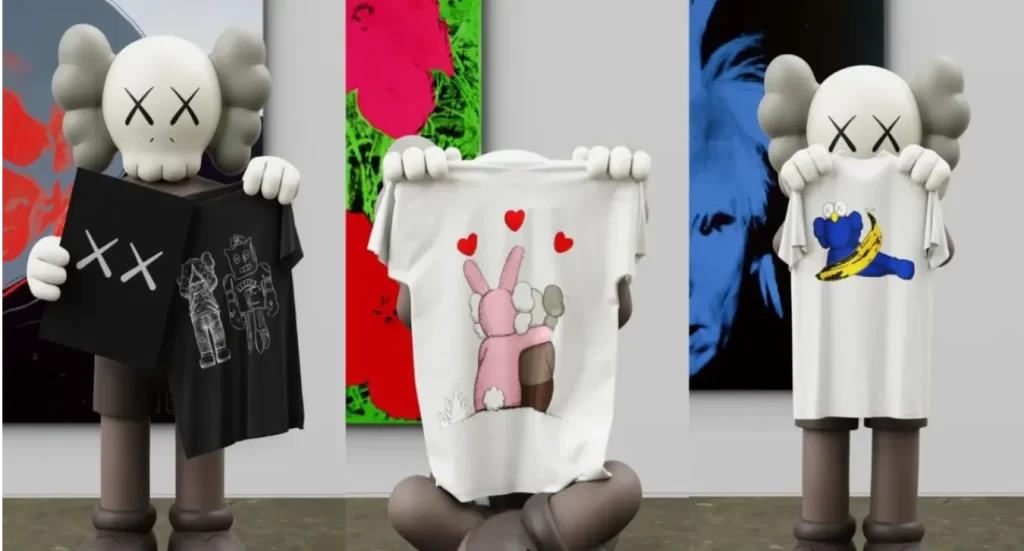
Mixing contemporary art with fashion? Who doesn’t love that?
Food and Beverage Partnerships
Food brands collaborating with celebrities or TV series is practically a norm now.
Dunkin’ x Wicked the Musical
Creating new menu items inspired by the popular story drove fans from all over to buy and post about the menu items online.
Oreo’s limited edition flavors
With Lady Gaga, BlackPink, and Game of Thrones collaborations under their belt, they created unique tastes for a limited period of time to drive up the FOMO element.
Ben & Jerry’s celebrity flavors:
Like “The Tonight Dough” with Jimmy Fallon, create ongoing brand conversation and media coverage.
Technology and Entertainment Crossovers
Tech and entertainment collaborations create immersive experiences that engage audiences in new ways.
Fortnite’s in-game collaborations
They made their game known to a whole new audience with collaborations with Marvel, Star Wars, and offering virtual concerts with artists like Travis Scott.
Apple Music’s artist collaborations
They offer exclusive content with the artists where you can’t find anywhere else.
Samsung x Thom Browne
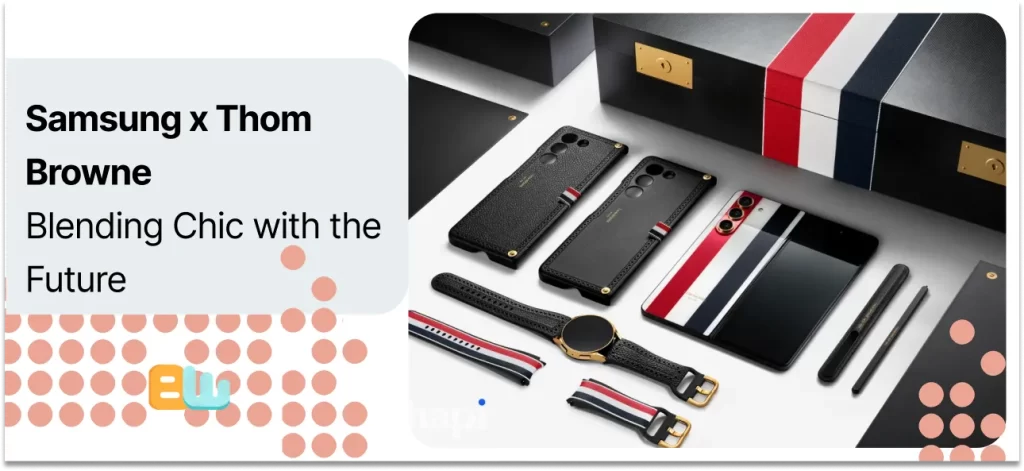
Connecting the world of technology with fashion.
Beauty and Lifestyle Brand Partnerships
Almost all the marketing in the beauty and lifestyle section is based on partnerships.
Fenty Beauty x Amina Muaddi
Linking Rihanna’s well received make up line with fashion to connect two similar audiences.
ColourPop’s nostalgic collaborations with Disney and Hello Kitty
Tapping into that nostalgia inducing power.
Crocs’ unexpected designer collaborations
Including Balenciaga and Post Malone, transformed a functional shoe into a fashion statement.
The Psychology Behind Viral Collaborations
Consumer Psychology Factors
Understanding why people respond to collaborations helps you create more effective partnerships.
Social currency and people trying to make a unique or trendy identity on social media paired with scarcity create FOMO (Fear of Missing Out) and drives people to queuing up for hours or spends thousands on items that most of the time are just vanity items.
The below campaign ideas are the ones that have the most impact, playing on the emotional and sentimental side of the consumers:
- Surprise releases: Unexpected releases create more curiosity
- Nostalgic releases: Childhood memories or significant cultural moments create strong emotions
- Cultural releases: By tapping into trendy topics, they create a sense of relevancy
What Makes Collaborations Share-Worthy
If you want people to share your collaboration on social media you should offer:
- Unexpected combinations
- Limited availability
- Visual appeal and “Instagrammability”
- Cultural moment capitalization
- Celebrity and influencer
- Behind-the-scenes content
Identifying the Right Collaboration Opportunities
Finding strong collaboration opportunities starts with data-driven research and trend analysis.
- Monitor cultural trends using tools like Google Trends, social media analytics, and cultural reports to find emerging interests.
- Analyze competitor collaborations
- Assess audience overlap to find brands with complementary (not identical) customer bases.
- Use social listening to find the best related conversations.
- Run a gap analysis to pinpoint where partnerships help your marketing strategy.
🤝 Ideal Partner Identification
The right partner defines collaboration success.
- Align brand values and audiences for authentic partnerships.
- Leverage complementary strengths where your partner excels and vice versa.
- Review collaboration history to gauge reliability and results.
- Conduct risk assessments to avoid negative associations.
- Check resource compatibility for smooth execution and scalability.
Tools & Resources for Partner Discovery
Use these platforms and strategies to find ideal collaborators:
- Collaboration marketplaces
- Social media monitoring tools
- Industry networking events
- Agency matchmaking services
- Competitor collaboration trackers
Evaluating Collaboration Potential
Before committing, thoroughly assess each opportunity:
- ROI projection models to estimate financial and brand impact
- Risk-benefit analysis to balance opportunity and exposure
- Brand equity assessment for long-term reputation effects
- Resource vs. return review to ensure profitability
- Legal and logistical checks for feasible execution
The Art of the Collaboration Pitch
Pre-Pitch Preparation
A winning collaboration pitch starts long before the first email. Follow these steps for an easy pitch:
- Do deep partner research
- Understand your campaigns’ goals/challenges
- Craft a personalized value proposition, highlighting mutual benefits
- Strengthen credibility with performance metrics of past partnerships
- Identify the key decision-makers for outreach
Now is time to craft the perfect pitch
- Personalize the message
- Do not use generic messages
- Try using storytelling to draw a clear vision of success for both brands
- Add in some visuals or mockups
- Include practical implementation details
Essential Pitch Components
Every great pitch should include:
- Executive summary for quick clarity
- Brand alignment rationale proving partnership fit
- Audience insights showing market potential
- Concept visualization to illustrate success
- Financial projections and ROI expectations
- Measurement framework to track impact
Negotiation and Implementation
For a successful and easy brand collaboration you need fair compensation and a strong legal foundation:
- Defining financial models:
- Revenue sharing for product collaborations
- Flat fees for campaigns
- Hybrid approaches
- Clarify:
- IP ownership
- Usage rights
- Exclusivity terms
- Establish
- Timelines
- Deliverables
- Exit clauses
- Compensation isn’t always monetary, it can be based on value exchange:
- Audience access
- Cross-promotion
- Content rights
- When payment is involved you can base rates on:
- Audience size
- Engagement
- Production effort
Finally, safeguard your collaboration with proper legal agreements. Include detailed scope of work, payment terms, and termination clauses. Address liability, confidentiality, and regulatory compliance (like FTC guidelines) to ensure transparency and long-term success.
Avoiding Collaboration Pitfalls
Common Mistakes and How to Avoid Them
Knowing what are the common collaboration failures can help you to avoid them.
- Value misalignment issues
- Unclear expectations and deliverables
- Oversaturation of collaborations
- Poor cultural integration
- Implementation execution failures
Building Long-term Collaborative Relationships
The best collaborations evolve into ongoing strategic partnerships.
Moving from one-off projects to strategic partnerships requires consistent value creation and mutual respect.
Communication and trust building happen through regular interaction, transparency, and reliable execution.
Continued value creation means finding new ways to benefit both partners over time.
Partnership expansion strategies include exploring new collaboration types and markets together.
Ethical collaboration practices ensure fair treatment and mutual benefit for all partners.
Conclusion
Brand collaborations are the future of marketing in the social economy of today. These authentic partnerships offer more value to customers than what the traditional marketing approaches can offer.
Start your collaboration journey with a deep search into your market and setting your goals, then follow our mentioned steps and hit the start button today.
Do not forget that the best collaborations are the ones that offer shared value and benefit to all parties and can evolve and grow over time.
Whether you are a home grown brand or a multi million dollar one, you should start adding branding collaborations into your marketing strategy if you want to survive today’s market.
Frequently Asked Questions
How far in advance should brands plan for a major collaboration?
Allow 6-12 months for complex collaborations involving product development. Simple marketing partnerships might need 2-3 months.
How to become a brand collaborator?
Build a strong personal or brand identity, grow an engaged audience, and showcase your niche expertise. Reach out to aligned brands with a clear collaboration pitch highlighting mutual value and past results.
Do you get paid for collaboration?
Yes, many collaborations offer payment through fees, revenue sharing, or other compensation. Some partnerships also provide non-monetary value like exposure, cross-promotion, or product exchange.
