25+ Low-Cost Businesses to Start from Home: Beginner-Friendly Guide

What if you could launch a business with only $1,000 from your living room?
With a home based business you can keep your risks low while keeping the freedom to grow on your terms.
With a simple low-cost home business you can:
- Cut overhead
- Have flexible hours
- Test ideas without monetary concerns or time constraints
This is not a new trend, more than half of U.S. small businesses start from the living room, close to 80 million Americans now act as freelancers. Which means millions have proved that it’s possible to build a steady income stream without a big investment.
We’ll walk you through the best 25+ beginner friendly business ideas that don’t require a deep pocket to start. You just need to put your creativity to good use with a clear plan and consistent effort and move forward.
What “Low-Cost” Really Means
What do we mean by “low-cost”? It means a start up with only $1,000 beginning expenses. You’ll only need the basics:
- A domain name
- Some simple tools
- A license (Sometimes)
- A little marketing effort
Usually, you can even start with what you already have, like a laptop or smartphone.
Freelance writing, tutoring or consulting doesn’t require much, just your skill and a free profile. It is actually faster than trying to start an online shop which is gonna need samples, shipping supplies, or small inventory.
Here’s a quick look at typical startup costs:
| Cost Bucket | Typical Range | One-Time vs Monthly | Free/Low-Cost Alternatives |
| Domain + Hosting | $20–$100/year | Annual | Free site builders (Wix, WordPress.com) |
| Software/Tools | $0–$50/month | Monthly | Canva free, Google Workspace free tier |
| Marketing/Ads | $0–$200 | Optional | Organic social media, networking |
| Equipment | $50–$300 | One-time | Use existing laptop/smartphone |
Fast-Start Checklist (You Can Do This in 7 Days)
7 days is all it takes to start. In just one week, you can start a simple home business. Focus on small, actionable steps that get results fast.
- Pick a business idea that solves a real problem
- Talk to five people who might buy it
- Choose a simple offer and set a starter price
- Create a basic landing page to share your idea
- Set up a free booking or payment link
- Reach out to 20 potential clients directly
Each step moves you closer to your first sale. Keep it simple and realistic. By following this checklist, you can test your idea, learn what works, and start earning without heavy upfront costs.
25+ Low-Cost Home Business Ideas

Starting a business from home is easier than ever. You can launch without spending thousands. You just have to pick ideas that match your skills, interests, and budget.
Below, we break 25+ ideas into groups so you can easily scan and find the right fit.
Digital & Admin Services
Many businesses need support online. Are you organized, creative, or good with numbers? These are for you:
- Virtual Assistant (VA): Manage emails, schedules, or simple admin tasks.
Startup cost: $50–$200.
Tools: Gmail, Notion.
First client strategy: network or use Upwork.
- Social Media Manager: Create content and schedule posts for small businesses.
Startup cost: $50–$300
Tools: Canva, Buffer.
First client strategy: Pitch to local shops to start.
- Bookkeeping Services: Track income and expenses for small clients.
Startup cost: $100–$250.
Tools: QuickBooks, Excel.
First client strategy: Reach out to freelancers or local business owners.
- Data Entry & Transcription: Fast, low-cost work for beginners.
Startup cost: $0 if you already have laptop or PC
Tools: Google Docs, Otter.ai.
Education & Coaching
Teaching online is flexible and in high demand. You can share skills without heavy costs:
- Online Tutoring: Help students in subjects you know well.
Startup cost: $0–$200.
Tools: Zoom.
First client strategy: List on platforms like Wyzant.
- Course Creator: Make and sell online courses.
Tools: Teachable, Canva.
First client strategy: Sell via your email list or social media.
- Resume & Career Services: Help clients polish resumes or LinkedIn profiles.
Tools: Word, Canva.
First client strategy: Market on LinkedIn or local job groups.
- Language Coaching: Teach a language online.
Tools: Zoom.
First client strategy: Use social media to find your first students.
E-Commerce & Content Businesses
You can sell products or content without leaving home. Startup costs vary but remain low if you start small:
- Print on Demand (POD): Design T-shirts, mugs, and more.
Startup cost: $100–$400.
Tools: Printful, Shopify.
First client strategy: Test via Etsy.
- Dropshipping: Sell products without inventory.
Startup cost: $200–$600
Tools: Shopify, AliExpress.
First client strategy: Market via Facebook groups or Instagram.
- Etsy Handmade Goods: Sell crafts, jewelry, or digital downloads.
Startup cost: $50–$300.
Tools: Etsy, Canva.
First client strategy: Promote on social media.
- Affiliate Marketing: Earn commissions by promoting products.
Tools: WordPress, email lists.
Cost: $50–$150.
First client strategy: Focus on blogs or Instagram.
- Amazon KDP: Self-publish books or journals.
Tools: Canva, Amazon KDP.
Cost: $0–$100.
First client strategy: Market to niche audiences.
Local but Home-Based
Some ideas need a physical touch but can start at home:
- Home Bakery or Catering: Bake for events or sell local treats.
Startup cost: $100–$500.
License required.
First client strategy: Promote in neighborhood groups.
- Handmade Crafts: Candles, soap, or art.
Cost: $50–$200.
Tools: basic crafting supplies.
First client strategy: Sell via Etsy or local markets.
- Pet Sitting & Dog Walking: Care for animals in your neighborhood.
Cost: minimal.
First client strategy: Use flyers, Nextdoor, or social media to find clients.
- Houseplants & Gardening Services: Grow and sell plants or offer plant care advice.
Startup cost: $50–$150.
First client strategy: Market via Instagram or community boards.
- Notary Services: Certify documents from home.
License required.
Tools: basic office setup.
First client strategy: Promote to local professionals.
These ideas allow fast testing and low financial risk. You can combine multiple services or products as you grow. Keep your startup simple. Focus on learning your market and finding your first clients.
Entrepreneurs usually start with a single service or product and expand later. The key is action. Pick an idea. Test it. Learn from clients. Adjust your offer. You don’t need to be perfect from the start.
If you are determined enough, you can make a cozy little empire from your simple home based business.
How to Choose the Right Idea

Choosing the right idea is the cornerstone of a home business, if the idea fits you as a person then the chances of success are high. Ask yourself these questions to find the right business for yourself:
- Is there market demand? Is someone already paying for this?
Start with a problem people need solved. That way you already have customers who are ready to spend money.
- Can I keep the cost under $500?
Reduce financial risk with a low cost idea.
- How quickly can I land my first client?
Speed in gaining quick wins keeps motivation high.
- Do I already have the skills, or can I learn fast?
Focus on what you can deliver well.
- Will I still enjoy doing this in a year?
Passion sustains effort and creativity.
Narrow your options with these questions so you can have an enjoyable and practical business. The best idea in a business is the one that considers both the income potential and your strengths and interests.
Pricing, Packaging & Profitability
For a successful business you need to completely understand the numbers: the pricing and the profit. Start small, don’t be greedy and raise the price slowly to see what your clients are willing to pay. Focus on packaging offers to increase value without raising costs.
- Services: Charge $30–$100 per hour. Offer retainers of $500 to $1,500 per month for steady income.
- Print on Demand (POD): Margins are $5 to $15 per item. Bundle products to boost profit and attract buyers.
- Dropshipping: Margins vary from 10 to 30%. Volume sales or high-ticket items offer better revenue.
Remember to be profitable, you don’t need to raise the price tag just make sure that you match the price to value and keep the costs low. Track expenses, adjust offers based on demand and use smart packaging with clear prices; that way you can grow your home business while enjoying the profitable cash flow.
Simple Marketing Plan

Focus on a single channel first. Pick the one that is most suitable for your capability and customers. SEO, social video, or direct outreach can all work .
Build trust with your prospective customers by sharing testimonials and case studies. Customer cases make people understand the value of your work. Be honest in your content to gain long-term trust.
When employing sponsored content or affiliate links, remember FTC rules (federal consumer protection laws). Always make disclosures on any collaborations to keep your business moral and avoid punishment.
Quantity is not as significant as regularity. Post lots of content and engage with your audience. Answer questions, reply to comments, and post helpful tips. Gradually, this builds credibility and attracts clients organically.
Monitor your outcomes. Determine which posts, emails, or campaigns bring you clients. Then double down on what performs. A distinct, streamlined marketing strategy saves time and energy while growing your home business slowly.
Legal, Tax & Compliance Basics

Starting a home business requires some paperwork. Cover these essentials to avoid trouble and stay organized.
- Register a DBA if you use a trade name. This keeps your business name official.
- Get a local business license if your city or county requires it. Rules vary by location.
- Apply for an EIN if you hire employees or form an LLC. It separates business and personal taxes.
- Check for sales tax obligations in your state. Collecting tax correctly avoids penalties.
- If you sell food, review state cottage-food laws. Some products need permits or limits on sales.
- Consider a home office deduction. You can claim $5 per square foot, up to 300 sq ft, to lower taxes.
Making these simple steps prevents surprises later on. You don’t need a sophisticated system to start with, just start with basics, stay compliant and your business can grow with security. Complying with these guidelines protects your money, time, and effort.
Tools Stack Under $100/Month
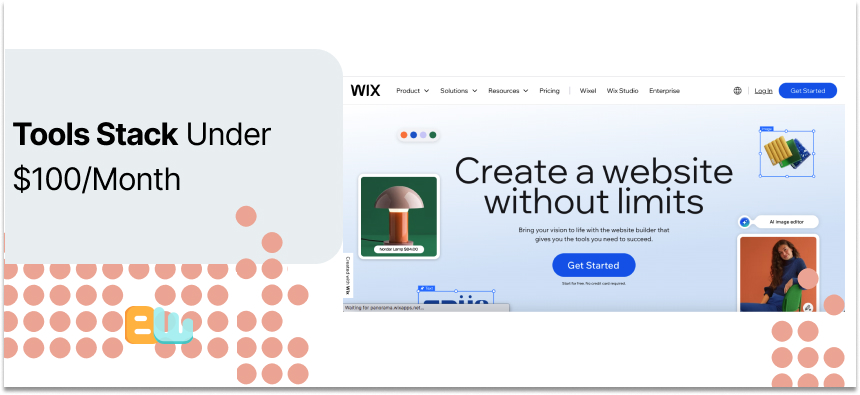
You don’t need to spend an arm and a leg on software to begin your journey. With the right tools, you can run your business affordably and efficiently.
| Category | Tools & Platforms | Purpose |
| Website Builders | Wix, Squarespace, Carrd | Create a professional website quickly without coding. |
| Payments | Stripe, PayPal | Accept payments securely and with ease. |
| Design | Canva | Design graphics and marketing materials without hiring a designer. |
| Bookkeeping | QuickBooks, Wave | Track income, expenses, and invoices. |
| Scheduling | Calendly | Simplify booking calls and appointments. |
| MailerLite | Manage newsletters and campaigns at low cost. |
These tools are convenient to use and inexpensive, free up your time, keep you organized and enable you to focus on growing your business.
Pitfalls & Myths

Starting a home business can be exciting, but there are common mistakes to avoid.
- Don’t buy tools before your first sale. Test your idea first to save money.
- Validate with a small test before scaling. Make sure people actually want your product or service.
- Avoid under-pricing. Charge fairly for your skills and time.
- Check permits and disclosures early. This keeps you legal and avoids fines.
A lot of beginners usually get excited and rush into buying tools or try to scale too fast so just take small well thought steps that will help you reduce stress and keep your business afloat. Remember smart planning is the foundation of a regret free future so just avoid these common pitfalls and protect your investment.
Conclusion
You don’t have to spend a ton of money to start a home business. Start small, test different approaches and try to scale later. Services often earn faster, while products take time but can grow big.
Pick one idea and take action today, don’t postpone and don’t hesitate. Count small wins and try to learn along the way, you can adjust as you go. You won’t achieve anything by inaction, each step gets you closer to being a profitable business.
Put these simple strategies to good use and start your low-cost business from home to create a sustainable future.
Simply start, your future is waiting.
